

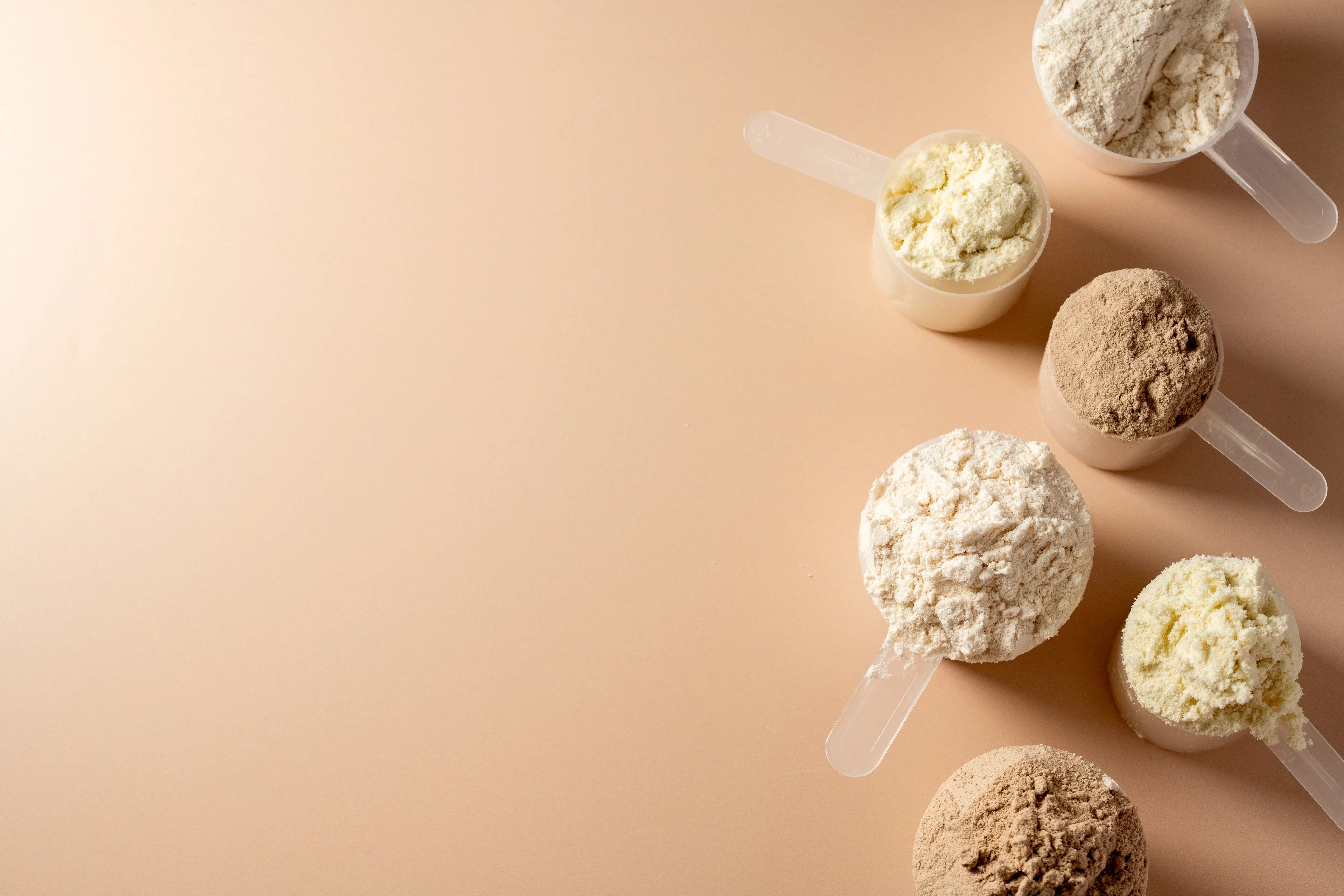
The Hierarchy of Protein Quality: Bioavailability and Absorption Rates
When you finish a grueling workout, your muscles are primed to absorb nutrients. They are essentially a dry sponge, waiting for the right amino acids to begin the repair process. But if you try to hydrate a sponge with a slow-drip faucet, it takes hours. This is exactly what happens when you consume the wrong type of protein post-workout.
The fitness industry is flooded with different protein sources: beef, pea, soy, casein, and whey. However, your body does not treat all protein equally. To maximize muscle protein synthesis, you must understand the hierarchy of protein quality-specifically, how bioavailability and absorption rates dictate your recovery.
Understanding Protein Quality: PDCAAS vs. DIAAS
For years, the gold standard for measuring protein quality was the Protein Digestibility-Corrected Amino Acid Score (PDCAAS). This scale rated proteins from 0 to 1.0 based on both their amino acid profile and human digestibility.
However, modern sports nutrition now relies on a more accurate metric: the Digestible Indispensable Amino Acid Score (DIAAS). Unlike PDCAAS, which measures digestibility over the entire digestive tract (where bacteria can skew results), DIAAS measures amino acid absorption specifically at the end of the small intestine.
Clinical research evaluating DIAAS scores has completely disrupted the plant vs. dairy protein debate. While plant proteins like pea or soy often cap out at scores around 0.8 to 0.9, high-quality dairy proteins break the scale. Whey Protein Isolate (WPI) scores an incredible 1.09, making it one of the highest-quality, most bioavailable protein sources on the planet.
The Absorption Advantage of Whey Isolate
Having a high DIAAS score means the amino acids are present and digestible, but speed is just as critical for athletes. This is known as absorption kinetics.
Whey protein is inherently a "fast-acting" protein, but there is a significant difference between Whey Concentrate and Whey Isolate:
- Whey Protein Concentrate (WPC): Typically contains 70-80% protein by weight. The remaining 20-30% is made up of lactose (milk sugar) and fats. These extras require more time for the stomach to break down, slowing the delivery of amino acids to the blood.
- Whey Protein Isolate (WPI): Undergoes advanced micro-filtration to strip away almost all the fat and lactose, yielding 90% or more pure protein by weight. Because it is pre-filtered, the body requires very little effort to digest it.
Because WPI bypasses heavy digestive processing, it rapidly floods the bloodstream with amino acids-particularly Leucine-within 20 to 40 minutes of ingestion. This rapid hyperaminoacidemia creates a massive, immediate spike in muscle protein synthesis that slower-digesting proteins simply cannot match.
Fueling with the Pharma-Grade Standard
If you are pushing your body to its absolute limits, feeding it a slow, inferior protein post-workout is like putting low-octane gas in a sports car.
This is why Iso Grade Whey Protein was formulated exclusively with premium Whey Protein Isolate. By removing the unnecessary fats, lactose, and fillers found in cheaper concentrates, we ensure that your muscles receive a rapid, highly bioavailable dose of essential amino acids exactly when they need it most.
Don't let your training go to waste. Optimize your post-workout window with the highest DIAAS-scoring protein available, and give your body the premium building blocks it requires to grow.


