

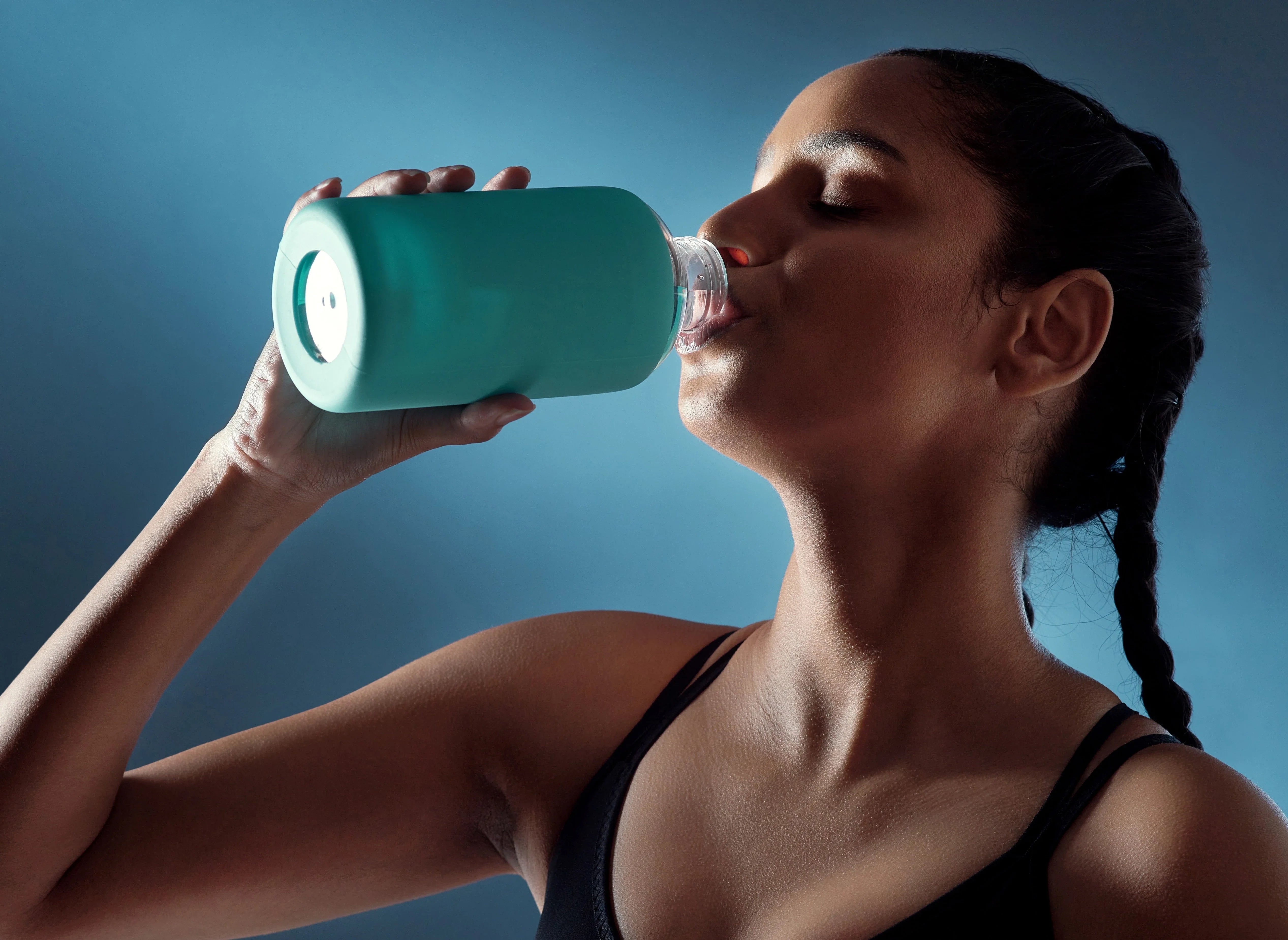
Optimizing Hydration and Electrolyte Balance for Summer Training
When the summer heat sets in, the environment inside your gym changes drastically. The ambient temperature rises, humidity increases, and your body’s cooling mechanism-sweating-goes into overdrive. While sweating is essential for thermoregulation, it comes with a massive physiological cost: the rapid depletion of both water and critical electrolytes.
Most athletes attempt to solve this problem by carrying a massive jug of plain water and chugging it between sets. Unfortunately, from a biological standpoint, drinking only plain water during heavy, sweat-inducing training can actually decrease your performance and lead to premature fatigue.
The Problem with Plain Water: Understanding Osmolarity
To understand why water isn't enough, we must look at how fluids move throughout the body. Your blood and the fluid inside your cells have a specific concentration of dissolved minerals (electrolytes like sodium, potassium, and chloride). This concentration is known as osmolarity.
When you sweat profusely, you lose a significant amount of sodium. If you then chug a liter of plain, mineral-free water, you dilute the remaining sodium in your blood. This causes your blood osmolarity to drop.
Clinical research on exercise hydration demonstrates that when the blood becomes diluted (hypotonic), water is forced into the cells via an osmotic gradient. The cells swell, the brain registers that you are overhydrated, and your kidneys trigger an immediate response to urinate-even though your total body water volume is actually low.
The result? You end up dehydrated, cramped, and fatigued, despite drinking water the entire workout.
Sodium: The Performance Electrolyte
To maintain blood volume and cellular hydration during a summer workout, your intra-workout fluid must contain electrolytes, primarily sodium.
Sodium is the main driver of fluid retention in the extracellular space (the blood). It acts like a biological sponge, holding water in the bloodstream to maintain your blood pressure. When blood pressure drops due to fluid loss, your heart has to beat significantly faster to deliver oxygen to your working muscles. Studies show that failing to replace fluid and electrolytes during exercise in the heat causes a severe drop in plasma volume and a massive spike in heart rate, cortisol, and perceived exertion.
Furthermore, sodium is required for active transport in the gut. Gastrointestinal research confirms that the inclusion of sodium in a fluid replacement beverage actively pulls water across the intestinal wall and into the bloodstream far faster than plain water alone.
The Ultimate Intra-Workout Protocol
If your training sessions last longer than 60 minutes in a hot environment, you need an intra-workout drink that addresses three critical pathways:
- Fluid Volume: To replace what is lost via sweat.
- Electrolytes: Specifically sodium and potassium to maintain osmolarity and prevent cramping.
- Amino Acids: To prevent muscle catabolism while your body is under thermal and physical stress.
This is where an expertly formulated intra-workout powder becomes your best asset. By sipping on a complete Essential Amino Acid (EAA) matrix during your workout, you are not only providing the Leucine and building blocks required to sustain muscle protein synthesis, but you are also creating a flavored, slightly hypotonic solution that encourages you to drink more and absorb fluid faster than plain water.
When the summer heat tries to rob you of your strength and stamina, do not fight back with just tap water. Formulate an intra-workout protocol that respects your cellular biology. Maintain your osmolarity, protect your muscles with EAAs, and dominate your summer training sessions.


